


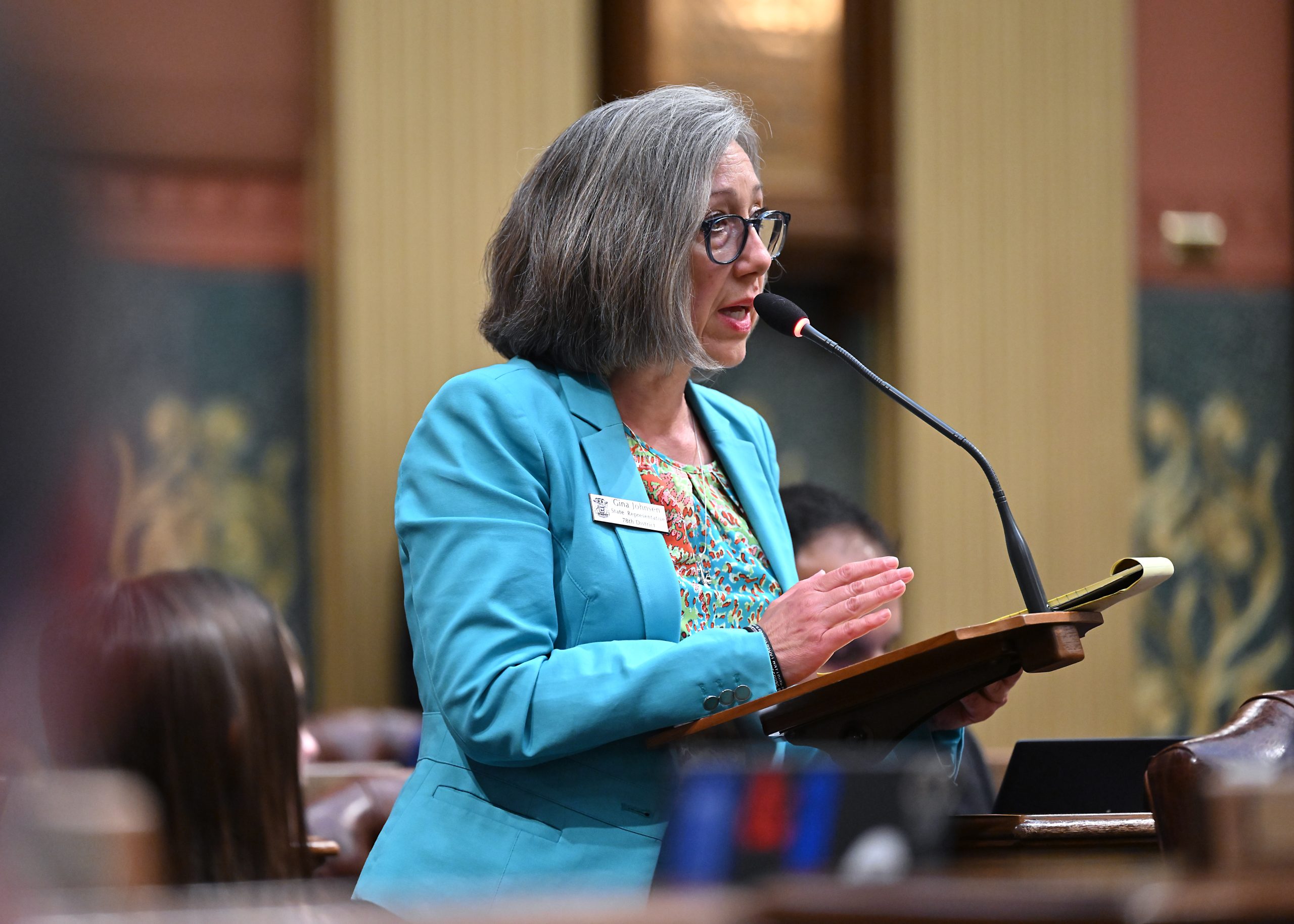
State Representative Gina Johnsen (R-Portland) is sounding the alarm after a legislative hearing revealed that MDHHS is classifying portions of heavily populated counties as rural for the purposes of federal healthcare funding. By grouping urban areas like Wayne County with agricultural counties, the department risks diverting resources away from the rural communities these programs were created to serve.
Johnsen and other lawmakers raised concerns that the classifications ignore real world conditions and weaken rural healthcare efforts in communities already burdened by long travel distances, provider shortages, hospital consolidation, and declining access to care.
“When Wayne County is placed in the same category as Ionia and Barry, something is fundamentally wrong,” said Johnsen. “Rural healthcare should be defined by distance, access, and availability of care, not by federal formulas that ignore reality.”
The issue surfaced during discussions on Michigan’s participation in a federal Rural Health Transformation initiative, which prioritizes long term planning while offering little immediate relief to rural communities struggling to keep healthcare services in place.
Rep. Johnsen further cautioned that without clear standards and accountability, the planning process risks cementing flawed definitions that will shape funding decisions for years to come.
“This program was created to strengthen rural healthcare, not dilute it,” said Johnsen. “If the state gets the definition wrong now, future funding will bypass the communities that need it most.”
Johnsen, a member of the House DOGE Task Force, pledged to continue pressing state officials for transparency, clear criteria, and accountability to ensure rural healthcare resources are directed to the communities facing the most severe access challenges.




© 2009 - 2026 Michigan House Republicans. All Rights Reserved.
This site is protected by reCAPTCHA and the Google Privacy Policy and Terms of Service apply.